Explore My Journey as a 3D VFX Artist

Updated: Jan 21
The world of 3D visual effects (VFX) is a mesmerizing blend of art and technology, where imagination meets reality. As a 3D VFX artist, I have had the privilege of transforming ideas into stunning visual experiences. This blog post will take you through my journey, from the early days of my fascination with animation to the intricate projects I have worked on.
The Spark of Inspiration
My journey began in childhood, sparked by a simple fascination with animated films. I remember watching movies like Toy Story and Jurassic Park, captivated by the lifelike characters and breathtaking environments. It was during these formative years that I realized I wanted to create worlds that could evoke emotions and tell stories.
Discovering the Tools of the Trade
As I grew older, I started exploring various software tools that would help me bring my visions to life. I began with basic programs like Blender and gradually moved on to industry-standard software such as Autodesk Maya and Foundry Nuke. Each tool offered unique capabilities, allowing me to experiment and refine my skills.
Blender: A free, open-source 3D creation suite that helped me understand the basics of modeling and animation, absolute powerhouse for imagination and creativity.
Autodesk Maya: A powerful software used in the industry for character rigging and animation having advanced features which are found nowhere else.
Nuke: Essential for compositing and adding special effects to my projects.
Through countless hours of tutorials and practice, I honed my skills and developed a strong foundation in 3D modeling, texturing, and animation.
Education and Training
To further my knowledge, I enrolled in a specialized program in digital arts. This experience was transformative, as I was surrounded by like-minded individuals who shared my passion. The curriculum covered various aspects of VFX, including:
3D Modeling: Learning to create detailed models that could be animated.
Texturing and Lighting: Understanding how to apply textures and light to enhance realism.
Animation Principles: Studying the fundamentals of movement to create believable animations.
The hands-on projects during my education allowed me to apply what I learned in real-world scenarios. One memorable project involved creating a short animated film, which taught me the importance of teamwork and collaboration in the VFX industry.
Breaking into the Industry
While completing my education, I faced the daunting task of breaking into the competitive world of VFX. I started by building a portfolio that showcased my best work. This included personal projects, school assignments, and freelance gigs.
Networking and Building Connections
Networking played a crucial role in my journey. I attended industry events, workshops, and online forums to connect with professionals and fellow artists. These connections often led to job opportunities and collaborations.
Online Communities: Platforms like ArtStation and LinkedIn helped me showcase my work and connect with industry veterans.
Local Meetups: Attending local VFX meetups allowed me to learn from experienced artists and gain insights into industry trends.
Through persistence and dedication, I landed my first job as a junior VFX artist at a small studio. This was a significant milestone in my career, marking the transition from student to professional.
The Challenges of Being a VFX Artist
Working in the VFX industry is not without its challenges. The fast-paced environment often requires long hours and tight deadlines. Here are some common challenges I faced:
Creative Blocks: There were times when I struggled to find inspiration or felt overwhelmed by the complexity of a project.
Technical Issues: Software glitches and rendering problems could derail progress and lead to frustration.
Feedback and Revisions: Receiving constructive criticism is essential for growth, but it can be difficult to navigate multiple rounds of feedback.
Despite these challenges, I learned to embrace them as opportunities for growth. Each obstacle pushed me to improve my skills and adapt to the ever-evolving landscape of VFX.
Notable Projects
Throughout my career, I have had the opportunity to work on various exciting projects. Here are a few highlights:
Short Film: The Bridge
In this project, I aimed to create a short animated film that tells the story of an alien woman who dares to walk an unimaginable test. My role involved modeling and animating the main character, its animations as well as creating the environment, direction and lighting. The film was exciting for me to create and that excitement was reflected from the viewers, I was learning at the time and was able to produce something very creative using my newfound skills; something I strive to do even today.
Film: Aquaman: The Lost Kingdom
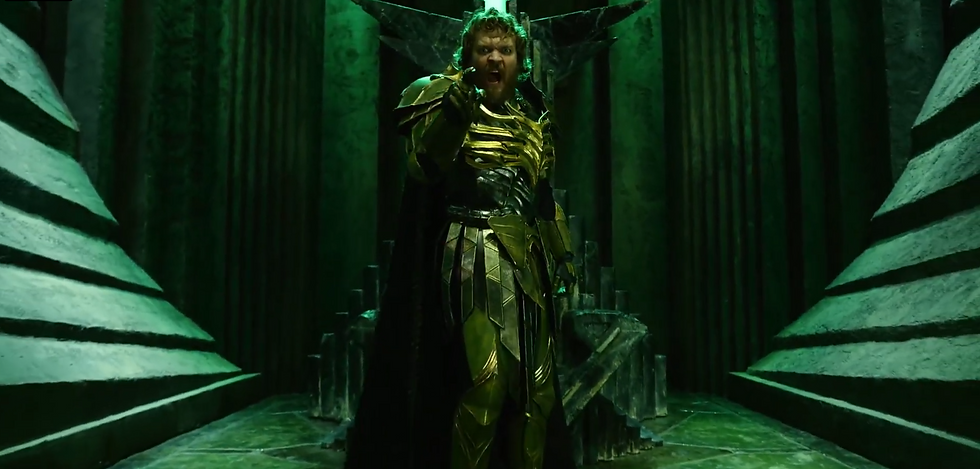
I worked on my this project as a Texture and Lookdev Artist through MPC mainly for Sunken Citadel, Kingfish Ballroom and Necrus City and Throne room. The project had heavy demands from Lookdev aspect from designing the main concrete on which the entire city's substance was based to applying it on the King's Throne room along with all the assets in that environment including snow and besalt.
The Importance of Continuous Learning
The VFX industry is constantly evolving, with new technologies and techniques emerging regularly. To stay relevant, I prioritize continuous learning. Here are some ways I keep my skills sharp:
Online Courses: Platforms like Udemy and Coursera offer courses on the latest software and techniques.
Workshops and Seminars: Attending workshops led by industry experts provides valuable insights and hands-on experience.
Experimentation: I dedicate time to personal projects where I can experiment with new tools and styles without the pressure of deadlines.
By committing to lifelong learning, I ensure that my skills remain competitive and that I can adapt to the changing demands of the industry.
The Future of VFX
As technology advances, the future of VFX looks promising but unstable. Innovations like virtual reality (VR) and augmented reality (AR) are opening new avenues for storytelling and creativity. I am particularly excited about the potential of these technologies to create immersive experiences that engage audiences in unprecedented ways. AI advances the industry but I am confident of using it in my own workflow to streamline outputs.
Embracing New Technologies
To prepare for the future, I am actively exploring AI, Unreal Engine, VR and AR development. This involves learning new software and understanding the unique challenges these mediums present. I believe that embracing these technologies will not only enhance my skill set but also allow me to create groundbreaking work. Times are coming when we need less and less manpower and computing to produce Films and I firmly believe undercutting quality is not a solution to meet deadlines.
Final Thoughts
My journey as a 3D VFX artist has been filled with challenges, growth, and incredible experiences. From my early fascination with animation to working on exciting projects, I have learned the importance of perseverance and continuous learning.
As I look to the future, I am excited about the possibilities that lie ahead. Whether you are an aspiring artist or a seasoned professional, I encourage you to embrace your passion, keep learning, and never stop creating. The world of VFX is vast and full of opportunities waiting to be explored.
If you have any questions or would like to share your own journey in the VFX industry, feel free to leave a comment below!


Comments